Sightseeing
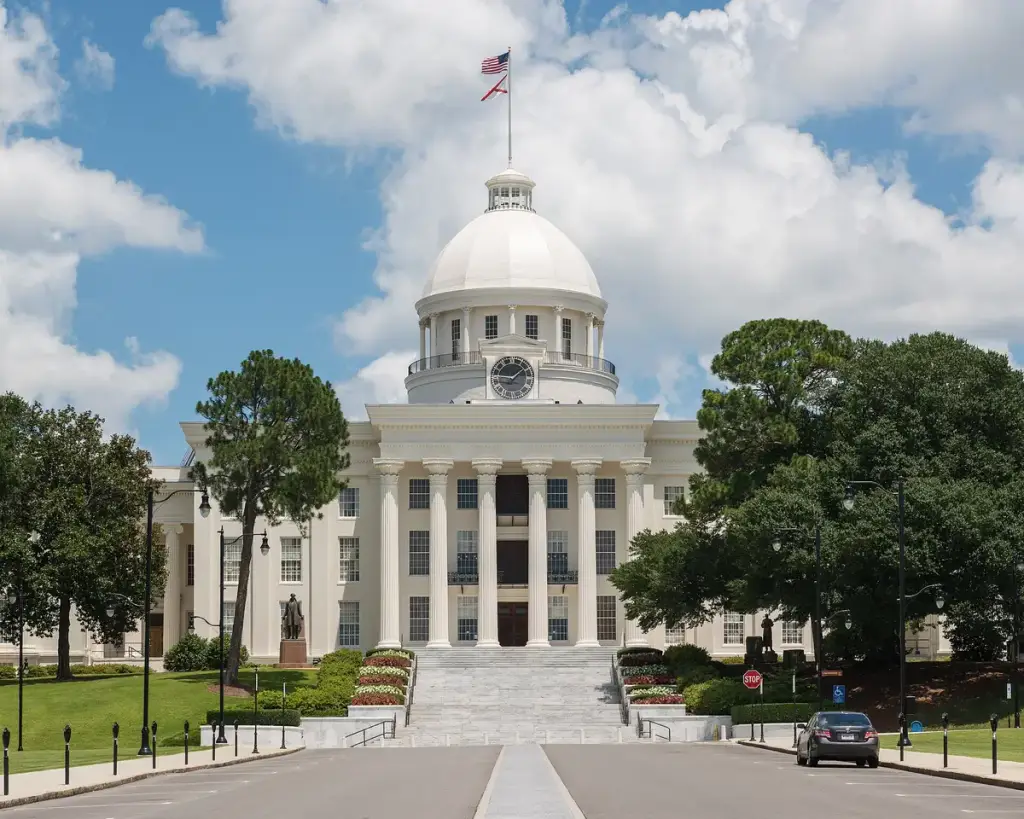
History BuffAlabama State Capitol
FreeWalk the 1851 Greek Revival statehouse where the Confederacy was formed and the 1965 voting rights march ended.
Montgomery, AL
Area guide · Alabama, USA
Civil rights landmarks from Montgomery's Capitol to Selma's bridge and Tuskegee
Civil rights landmarks from Montgomery's Capitol to Selma's bridge and Tuskegee. This guide covers places to visit in Alabama Black Belt, AL, by category and on a map.
Start here
Walk the 1851 Greek Revival statehouse where the Confederacy was formed and the 1965 voting rights march ended.
Montgomery, AL
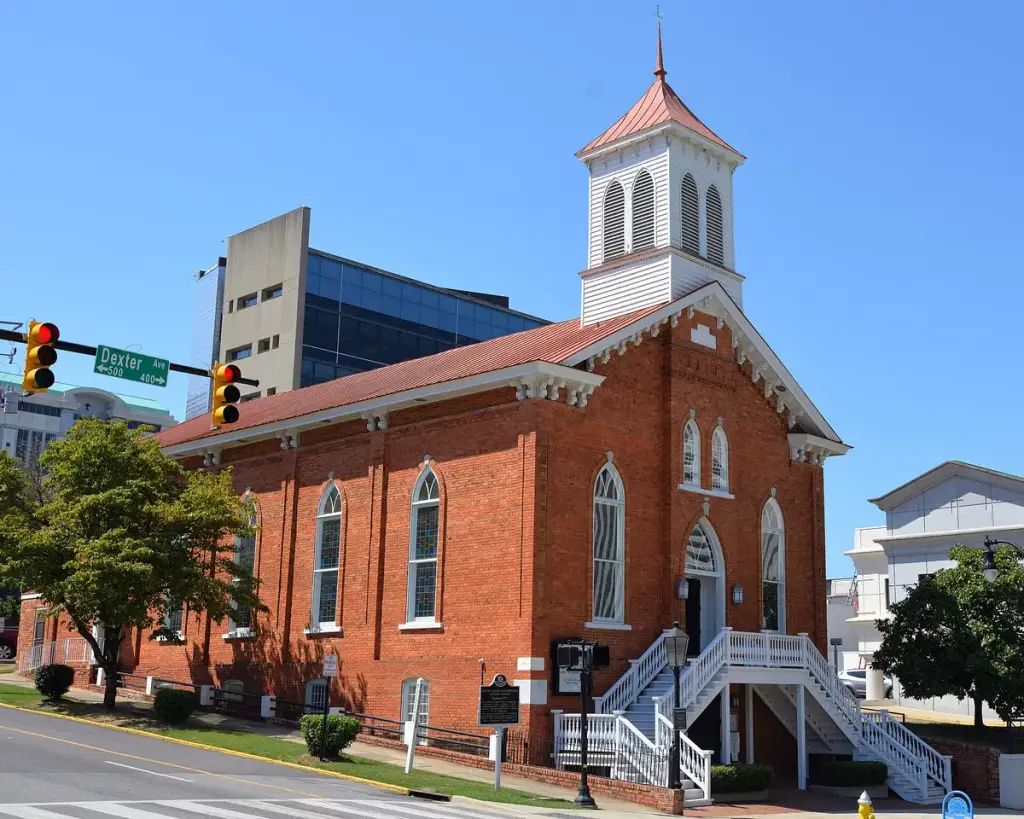
Tour the brick church where Martin Luther King Jr. was pastor and helped organize the Montgomery bus boycott.
Montgomery, AL
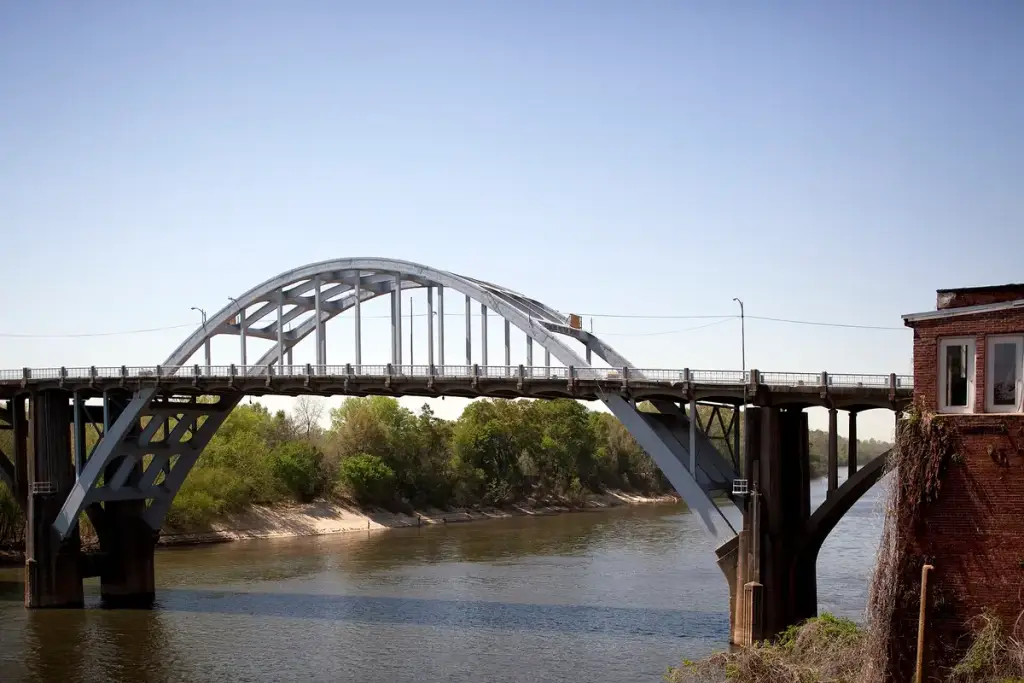
See the 1940 steel arch bridge in Selma where police attacked voting rights marchers on Bloody Sunday in March 1965.
Selma, AL
Every place
Filter by the kind of day you want. Tap a card to open the place, or a dot on the map to find it in the list.
Walk the 1851 Greek Revival statehouse where the Confederacy was formed and the 1965 voting rights march ended.
Tour the brick church where Martin Luther King Jr. was pastor and helped organize the Montgomery bus boycott.
See the 1940 steel arch bridge in Selma where police attacked voting rights marchers on Bloody Sunday in March 1965.
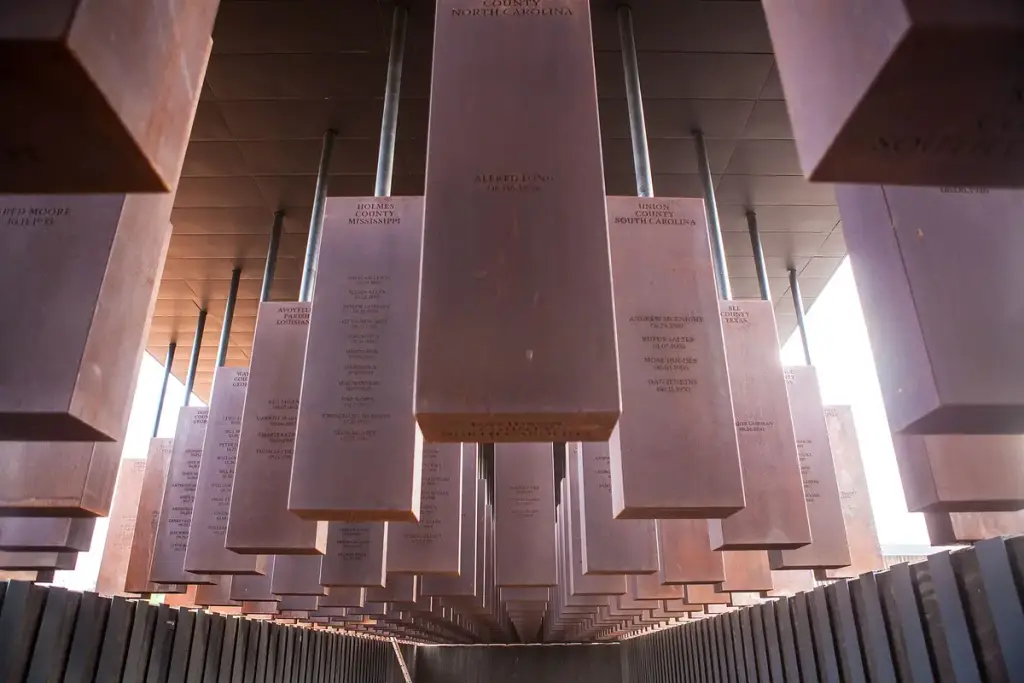
Walk beneath more than 800 hanging steel monuments naming victims of racial terror lynchings, county by county.
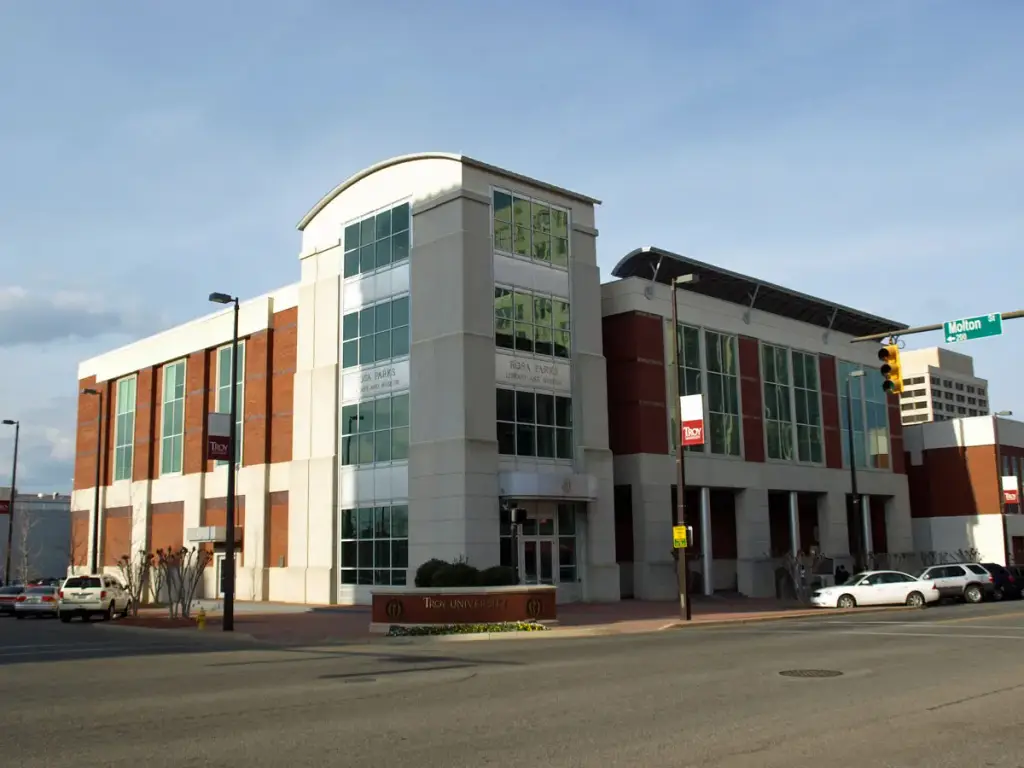
See exhibits on Rosa Parks' 1955 arrest and the Montgomery Bus Boycott at the spot where she was arrested.
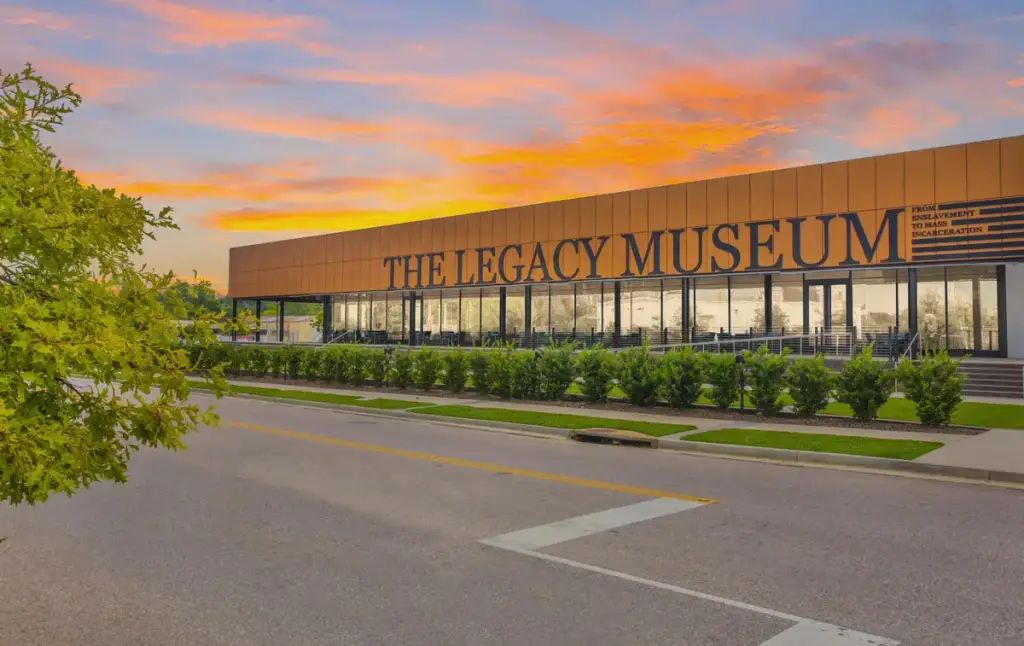
Walk through immersive exhibits tracing American history from enslavement to mass incarceration, on a site where enslaved people were once held.
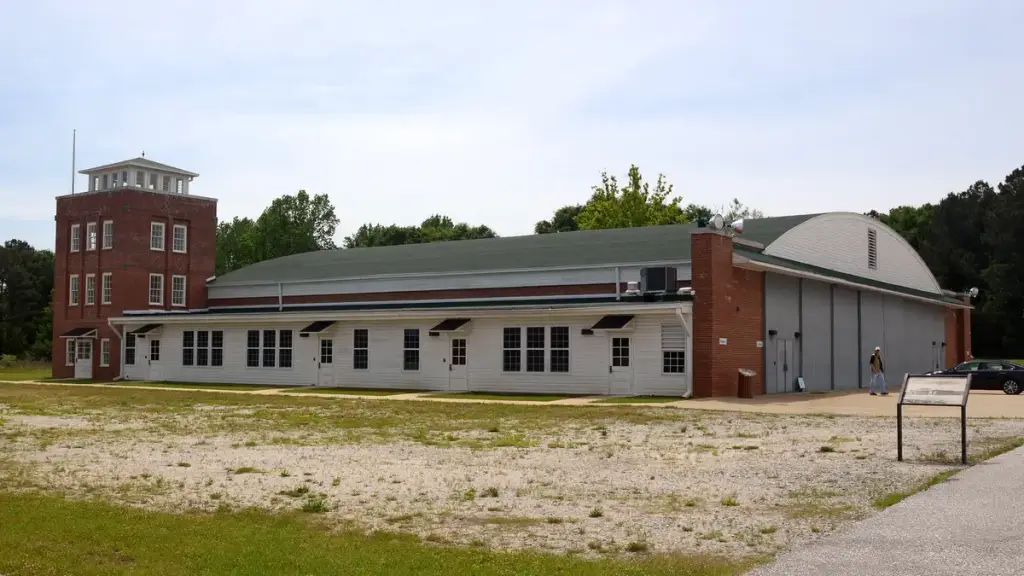
Tour the Moton Field hangars where the Tuskegee Airmen trained, with a restored Link Trainer and exhibits on the cadets.
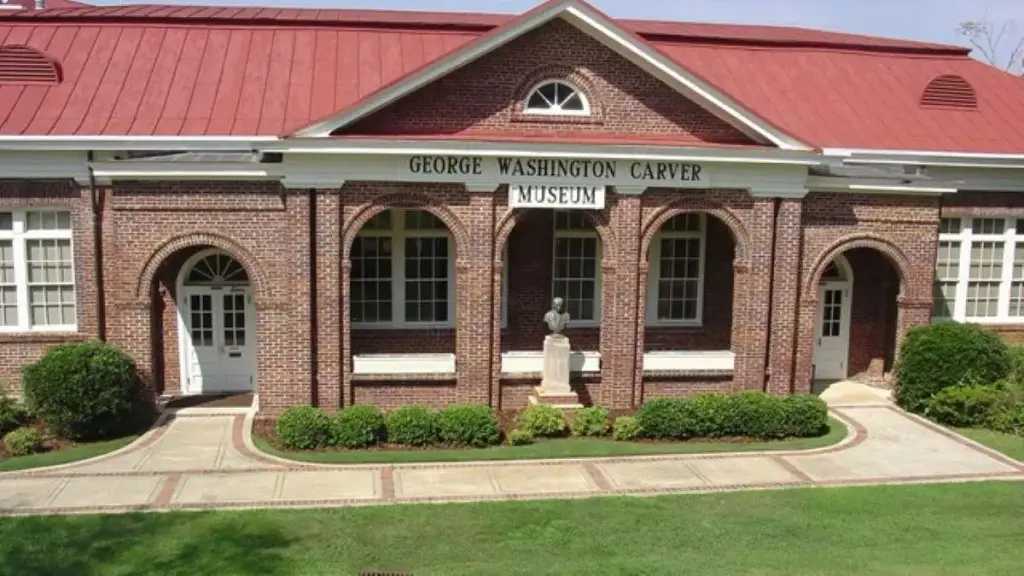
See the George Washington Carver Museum and Booker T. Washington's home, The Oaks, on the Tuskegee University campus.
Nearby
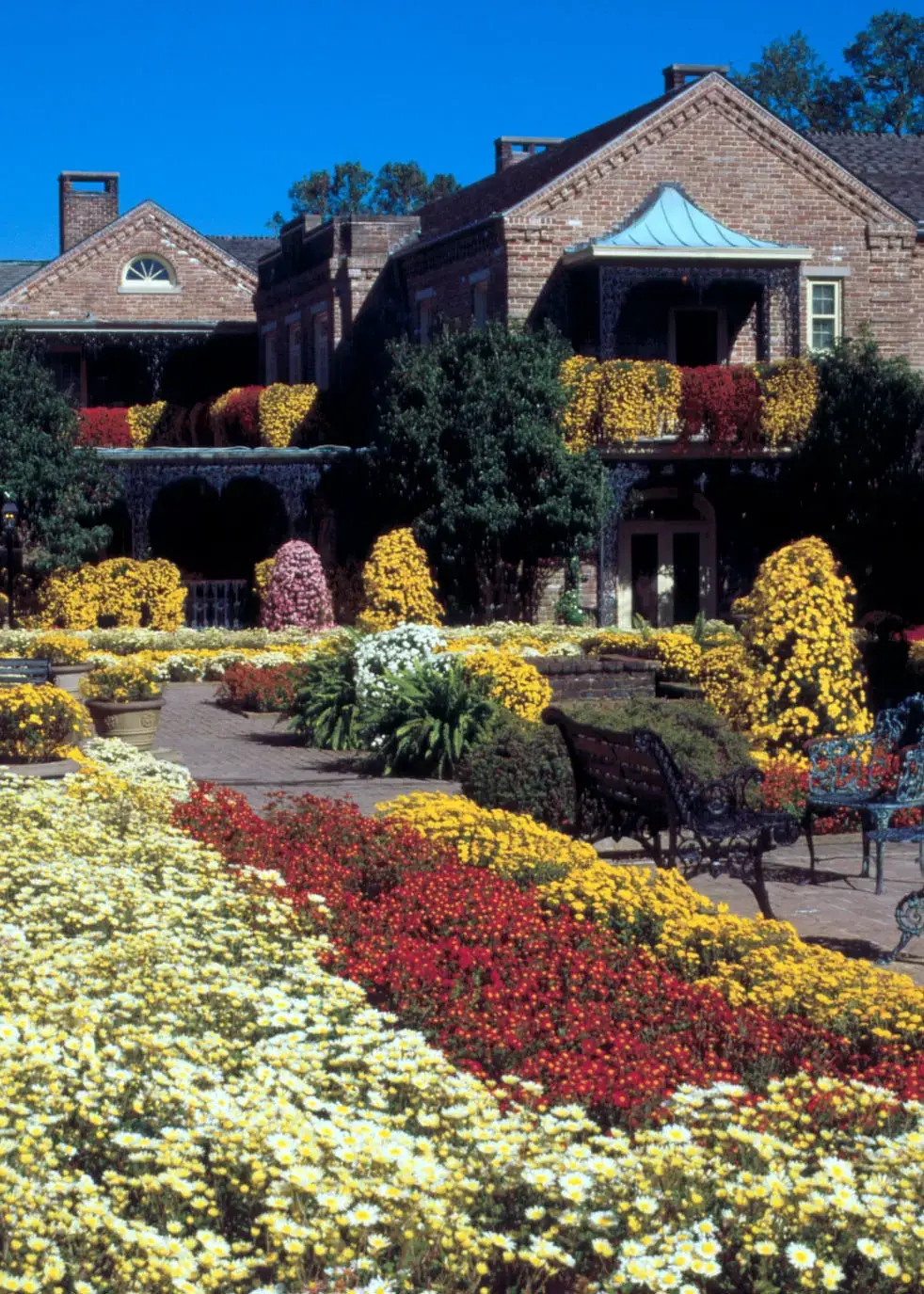
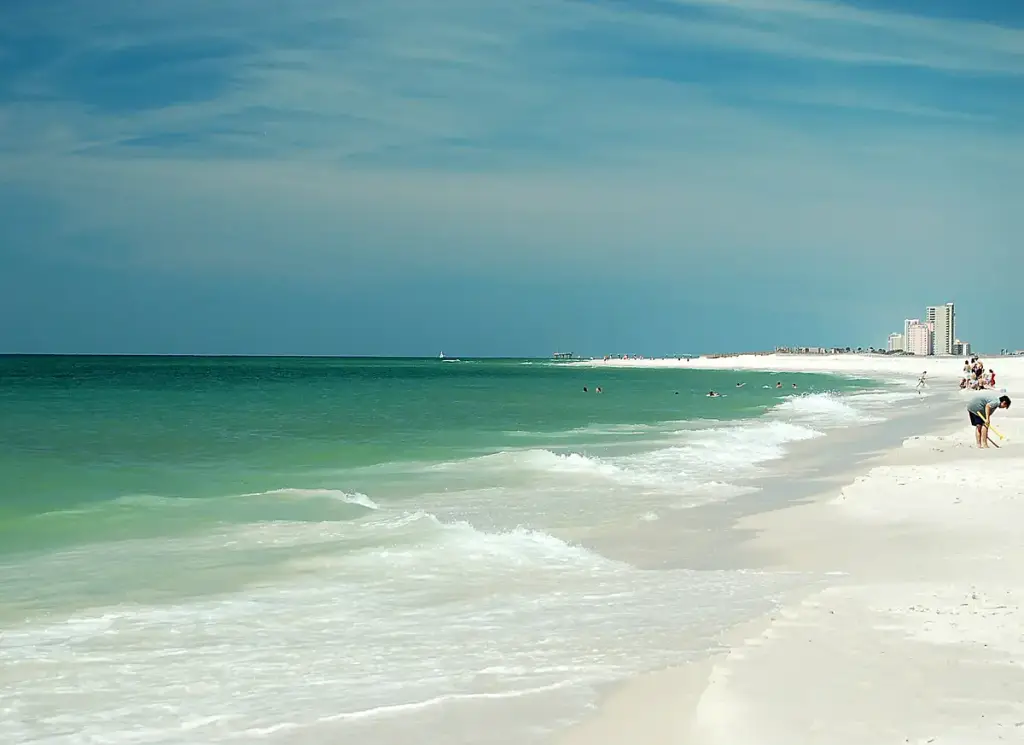

Alabama
White-sand beaches at Gulf Shores and the battleship and gardens around Mobile
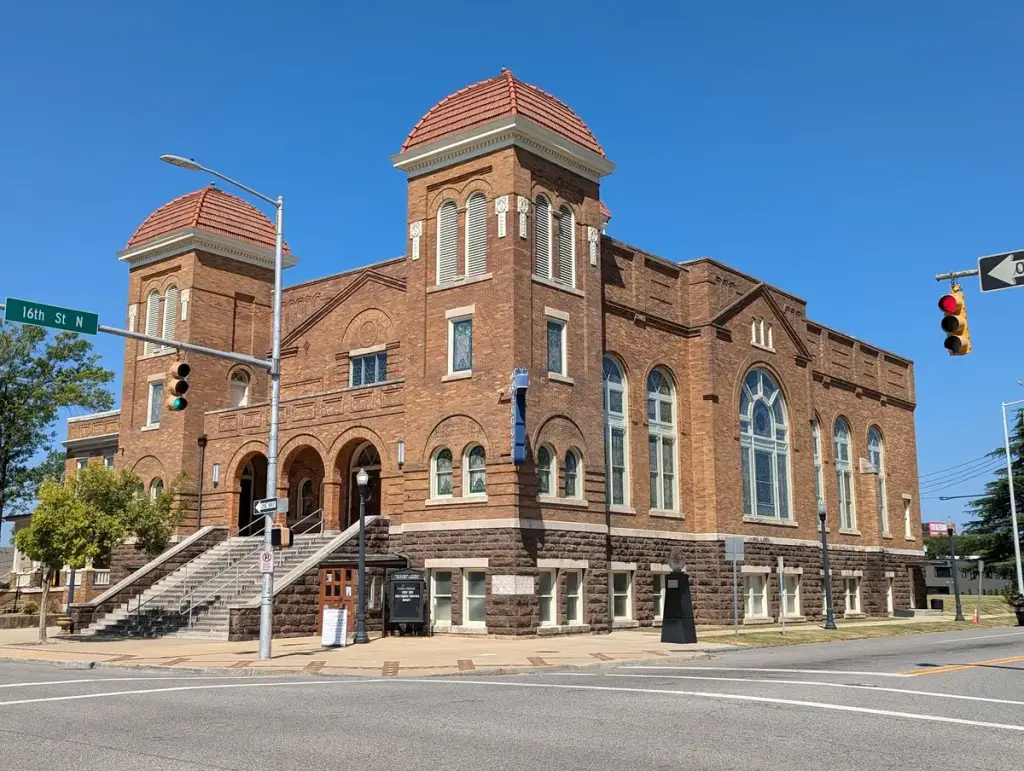
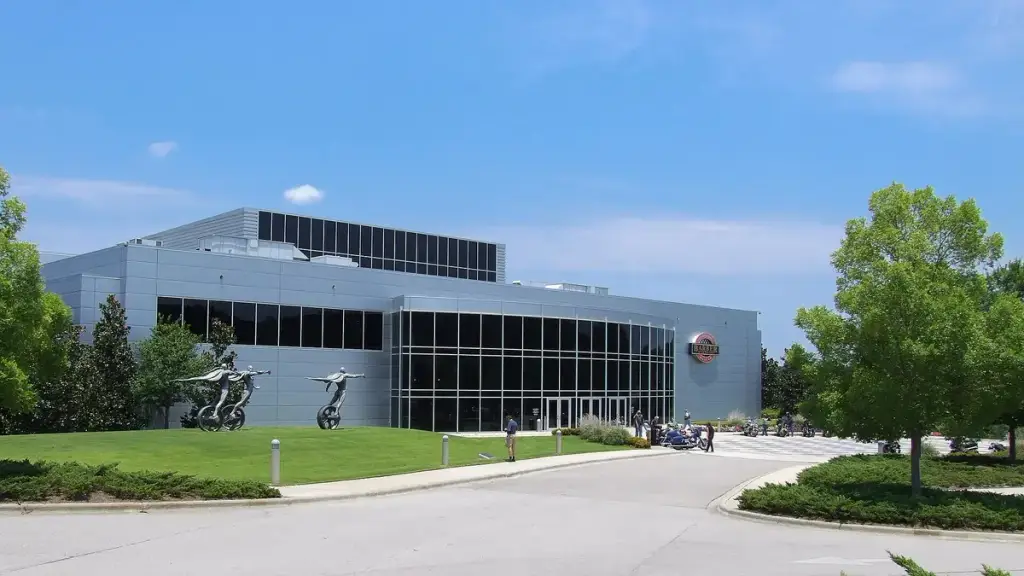

Alabama
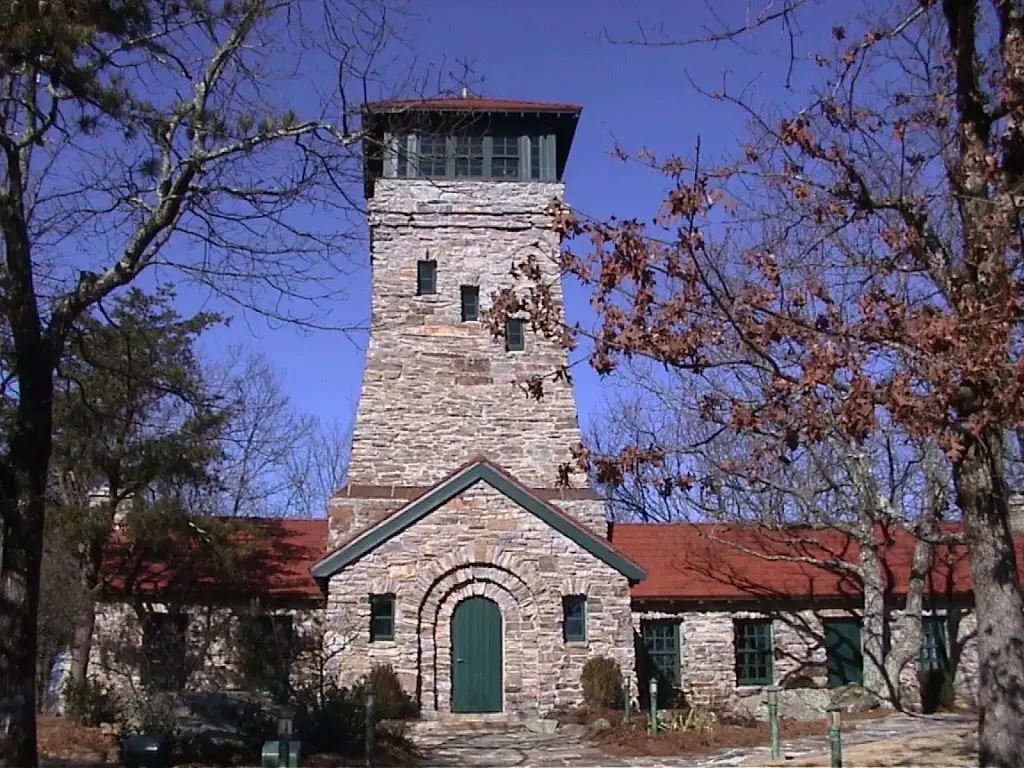
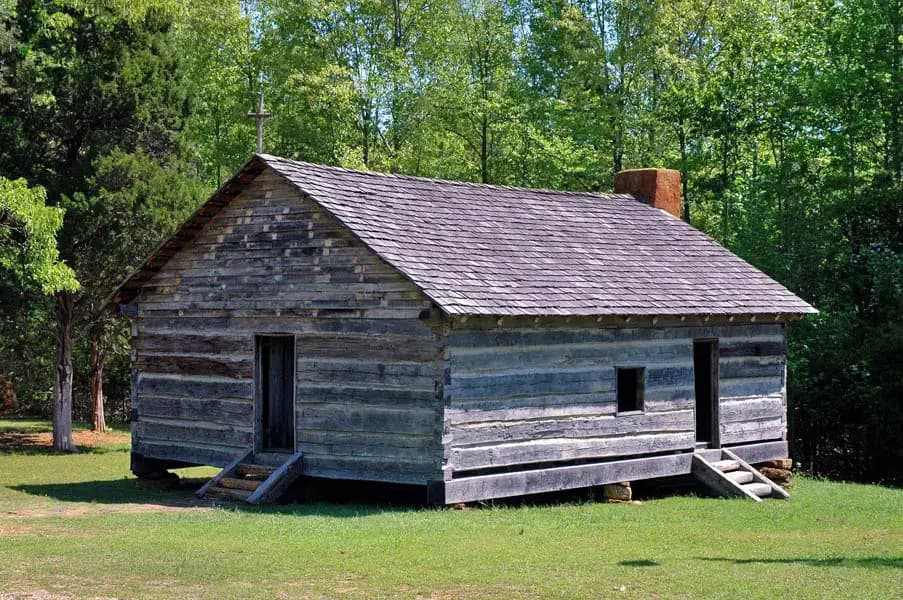
Civil rights history, an old iron furnace and motorcycles, with Mount Cheaha to the east

Alabama
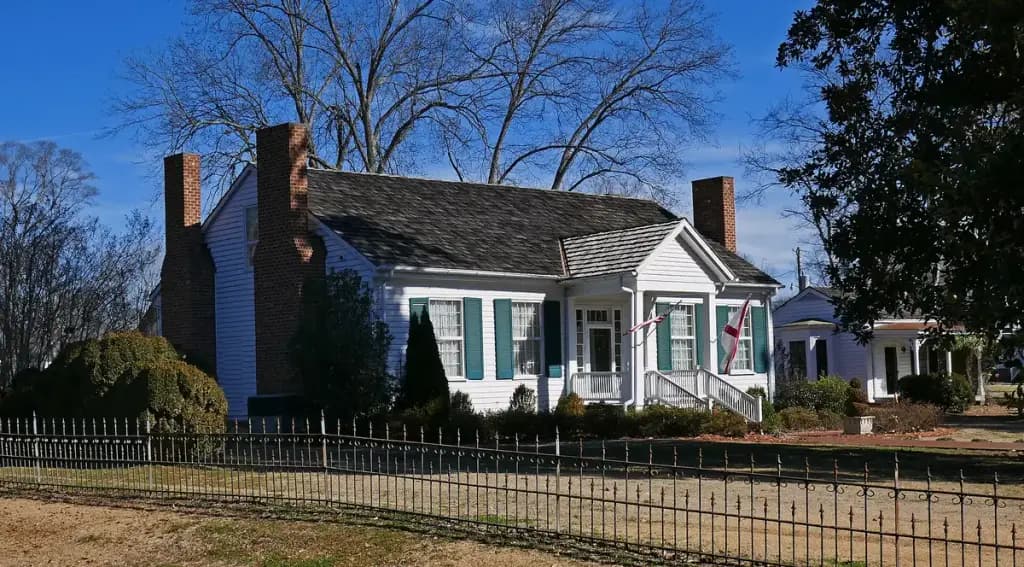
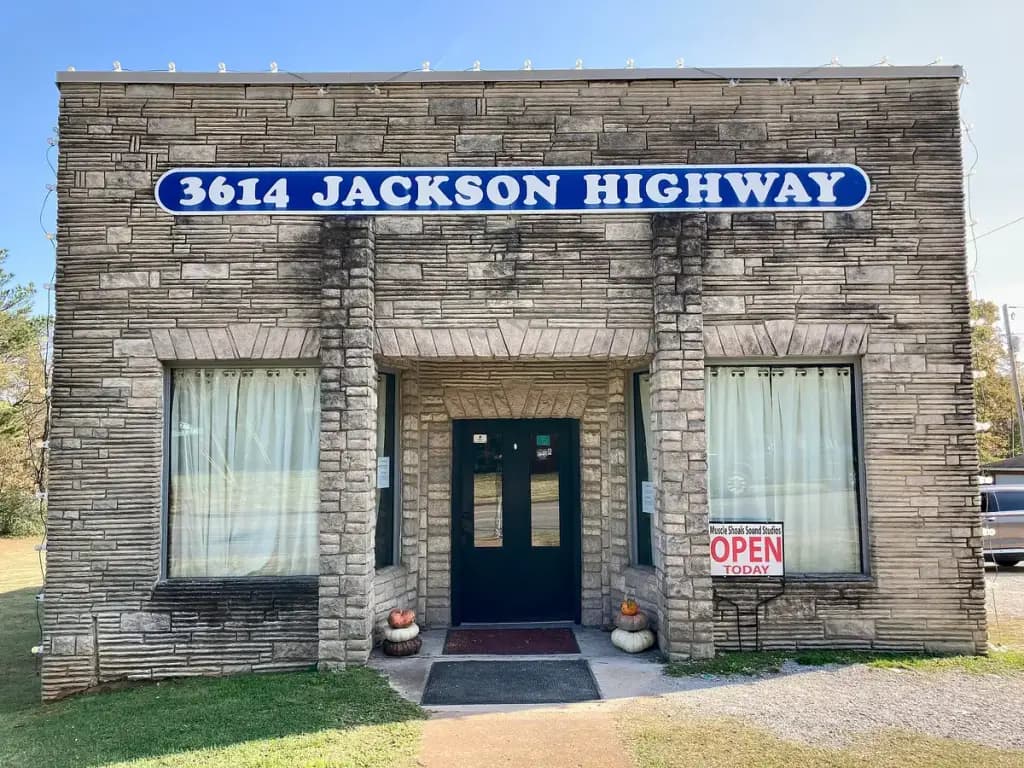
Muscle Shoals studios, Helen Keller's birthplace and Huntsville's rockets
About
The Black Belt stretches across central Alabama, and Montgomery, Selma and Tuskegee are among its largest cities. In Montgomery, visitors find the Alabama State Capitol, the Rosa Parks Museum, the Legacy Museum and the National Memorial for Peace and Justice. The Selma to Montgomery National Historic Trail follows the 54-mile route of the 1965 voting rights march, which started across the Edmund Pettus Bridge in Selma. Tuskegee, known for major achievements by African Americans, is home to the Tuskegee Airmen National Historic Site.